Breath
The Physiological Sigh
Two inhales through the nose, one long exhale through the mouth. A fast, evidence-based way to ease acute stress.
Restorative living for the Bay Area woman
Not tired the way sleep fixes. Tired the way your body won't switch off.
RitzyRambles helps your body learn to switch off again: the places to go, the practices to do, and the home that holds you.
Try the free 3-Minute Switch-OffUnder three minutes. Nothing to download.
The name of the thing
You're still performing. Still delivering. Still holding it together on the outside, and unraveling underneath.
There's a name for this. Functional burnout, the woman who looks fine but isn't. And the reason nothing has worked is that therapy reached your mind, the apps reached your calendar, the annual retreat reached four good days, and none of them reached your body.
I know, because I was braced for years, and I still work the floor.
You're not broken. You're braced. Restorative living is how you stand down.
What restorative living actually is
It's not aesthetic. It's biological. Restorative living rebuilds your body's ability to feel safe, and that is where the energy, the recovery, and the clear thinking come back from.
You can move slowly and still run on empty. You can have a beautiful morning routine and still brace by noon. This goes deeper than slowing down: it rebuilds your capacity to live fully.
And it doesn't live in retreats. It lives in trails, in meals, in mornings, in ordinary Tuesdays, as your daily standard.
Slow living is pace. Restorative living is capacity.
Feel it first
Three minutes, right now, no email. You will understand this faster by feeling it than by reading about it.
Try the 3-minute Switch-Off →The three pillars
Places
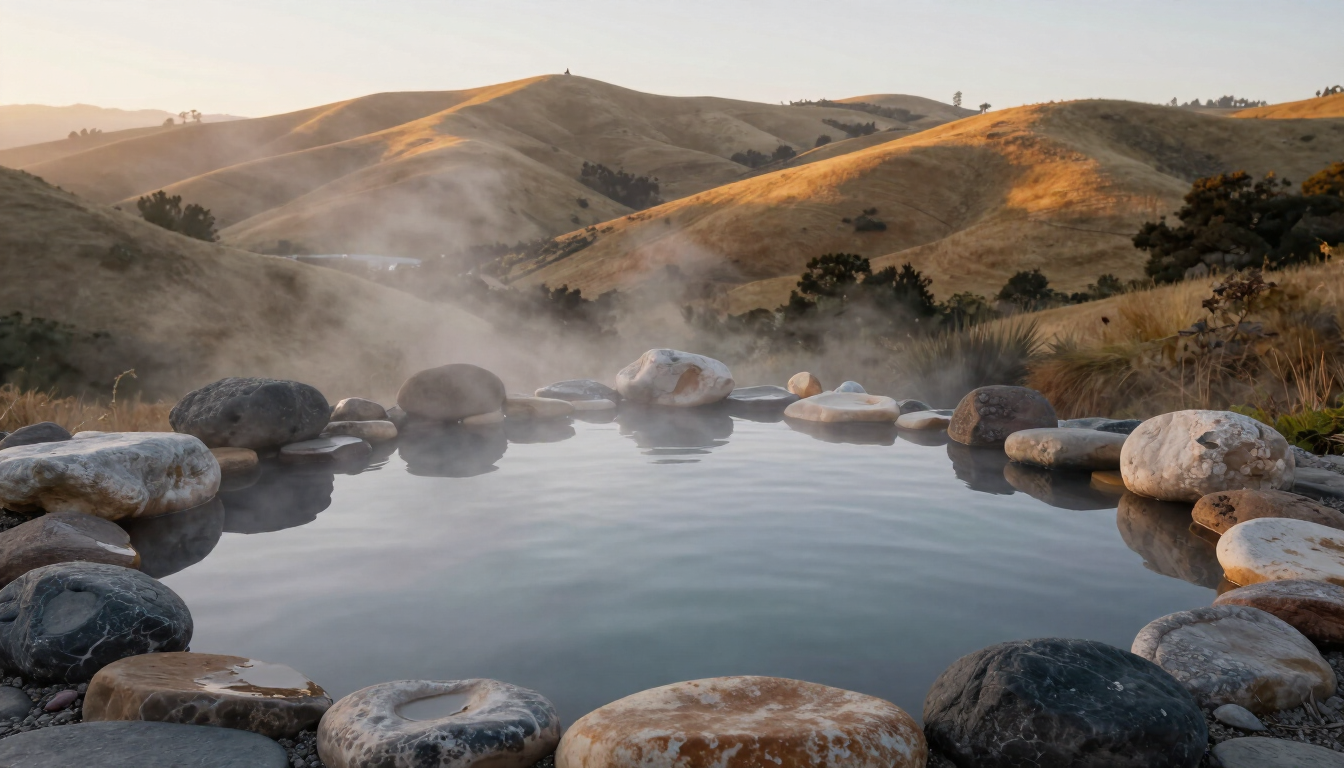
Restorative-by-design destinations where the land, the food, and the silence do the work for you. Hot springs, trails, farm stays, hidden coves. These places are becoming The Bay Area Restorative Anchors Map.
Browse the placesThe first places are being written now, one visit at a time.
Practices
Short nervous-system rituals for the middle of an ordinary day. Breath, touch, glance, pause.
See the practicesBreath
Two inhales through the nose, one long exhale through the mouth. A fast, evidence-based way to ease acute stress.
Breath
Make the out-breath longer than the in-breath and the body reads it as a signal of safety.
Somatic
Slowly turn your head and name what you see. A simple cue that tells an alarmed system the moment is safe.
At Home
The home you build to hold you, your environment as a quiet co-regulator of your nervous system.
Explore at home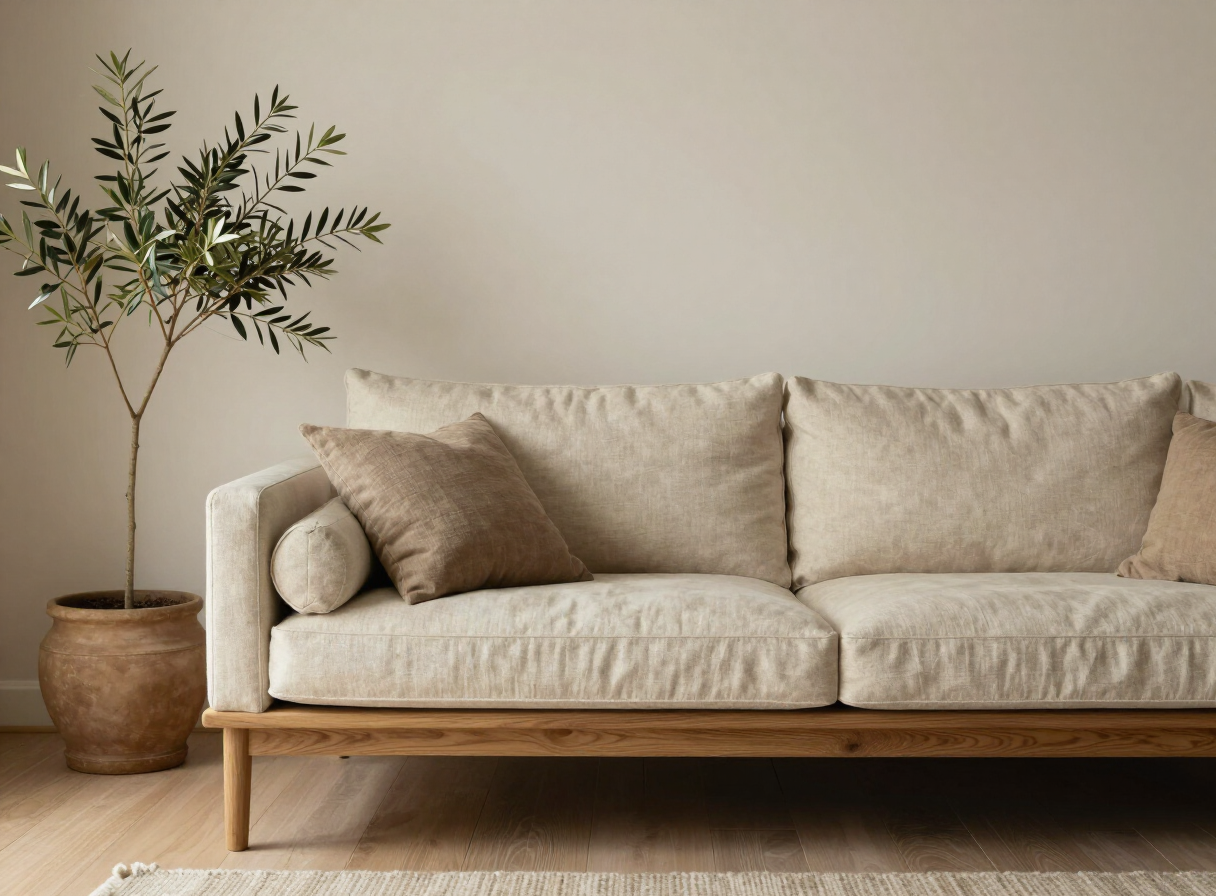
Threshold
One low table, one bowl, one lamp. A gentle boundary between the noise of the day and the quiet of home.
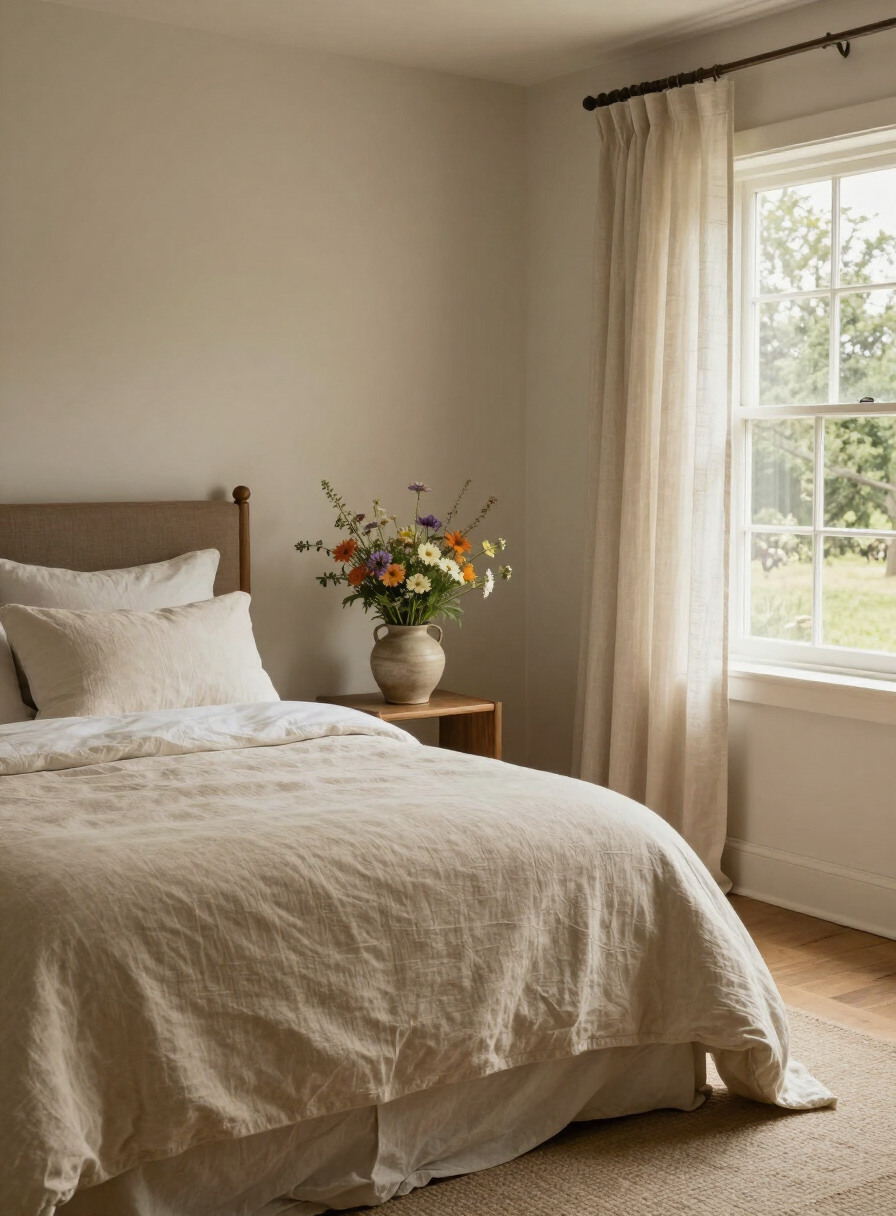
Space
Resist the urge to fill it. Visual rest is not wasted space, it is space doing its work.
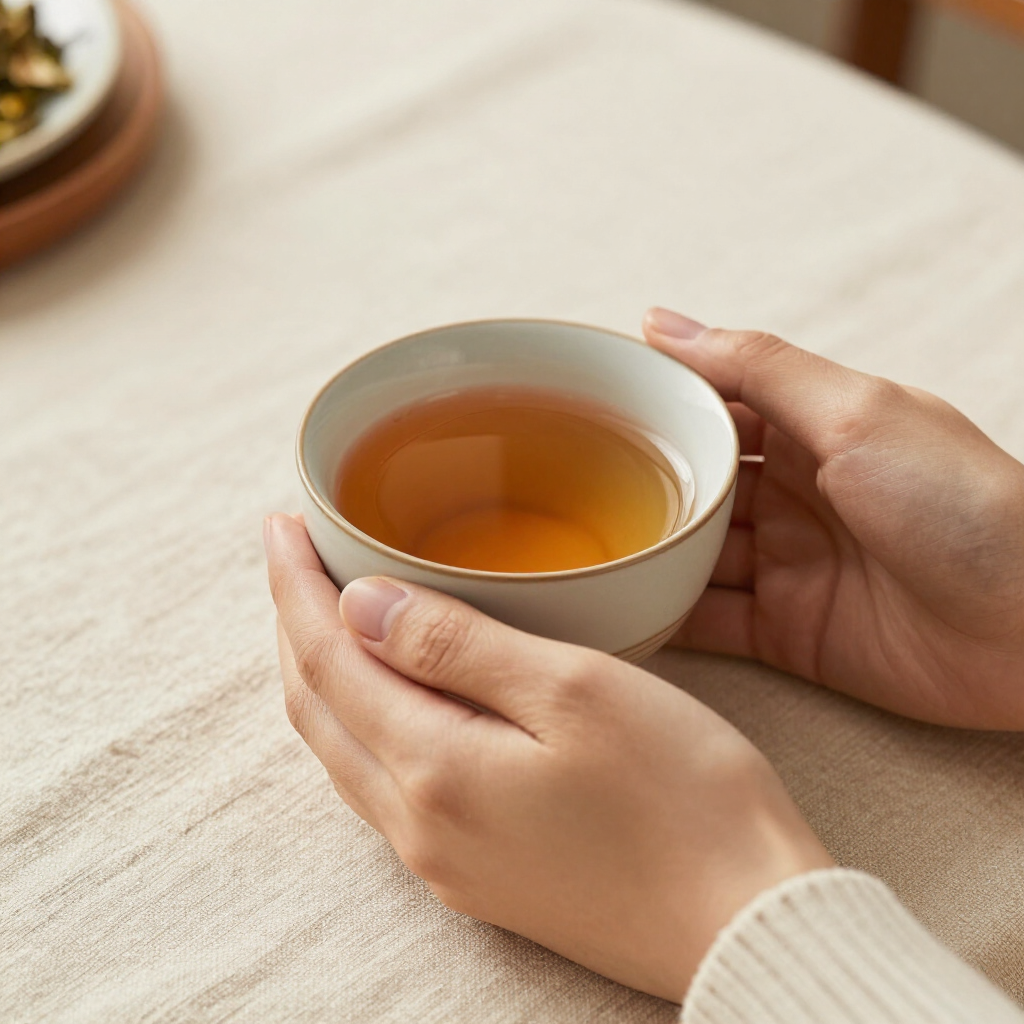
Light
Trade overhead brightness for low, warm pools of light as evening comes.
Why breath, and why now
In a Stanford study, five minutes a day of a specific breathing pattern (a double inhale, long exhale) lowered arousal and lifted mood more than meditation did, over a month. Your exhale is one of the few parts of your stress response you can steer on purpose.
That's the whole idea behind RitzyRambles: small, real signals that tell your body it's safe to stand down. Repeated until it believes you.
Balban et al., Cell Reports Medicine, 2023.Read the study →
The Founder
I managed and co-owned a restaurant. Twelve-hour days. Every problem in the building was mine. I burned out.
Then I did the thing nobody recommends. I stepped down. Same industry, same floors. I traded the title and a chunk of the income for something I couldn't name yet: room.
I gave up the title, not the ambition. Those turned out to be different things.
I didn't push harder to find calm. I reduced the load. And in the room that opened up, I built RitzyRambles.
I know it works because I was braced for years, and I know what it cost me to stop. I practice it now on ordinary Tuesdays, in the Bay Area, while running work that asks my body to keep going. A long exhale before I open the laptop. Twenty unproductive minutes I don't apologize for. A phone that sleeps in another room.
A way to live that doesn't ask you to leave your life to recover from your life.
Restoration as the standard. Not the luxury.
Keep going
The Sunday Signal is a short weekly email: one practice to try, one restorative place worth knowing, a few quiet lines from me.
Free, Sunday mornings. One email, never more. Leave whenever.
It's on its way. Check your inbox in a moment, and breathe.
Something went quiet on our end. Please try again.